
Receive God's Love, Proclaim the Greatness of the Lord,
Serve Joyfully & Make Missionary Disciples of Jesus Christ
Search
News - December 2025 RSS Feed
-
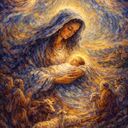 December 22, 2025Each year, before the Mass of Christmas during the Night, the Church invites us to hear the Christmas Proclamation—a solemn announcement of the birth of Christ drawn from the Roman Martyrology. Unlike the Gospel, which tells the story of Jesus’ birth, the Proclamation places that event within the long sweep of human history. At Mary Queen, it will be proclaimed before the 10:30pm Mass on Christmas Eve. READ MORERead More
 -
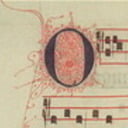 December 16, 2025O Come, O Come, Emmanuel is an Advent hymn of great importance to our faith. For many, it is the musical sound that defines the season of Advent. Its text is derived from the “O Antiphons,” which are specifically assigned to the seven days leading up to Christmas. During these final days of Advent—beginning on December 17—the eager anticipation of celebrating our Lord’s Nativity becomes more pronounced. The readings, proper prayers, and antiphons shift their focus more explicitly toward Christ’s birth rather than his Second Coming, which is the primary emphasis during the earlier part of the season. The O Antiphons thus hold a particularly important place both historically and liturgically. READ MORERead More
 -
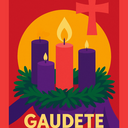 December 11, 2025One of the most noticeable features of the Advent wreath is the rose-colored candle. Why is it different, and why might your priest wear pink vestments on that day? The third Sunday of Advent is called Gaudete Sunday, and it is marked by the use of rose—a color symbolizing joy in the midst of a penitential season. READ MORERead More
 -
 December 4, 2025Read More
 -
 December 3, 2025In October, we sang the Salve Regina at the end of Communion at most of our Masses. Salve Regina is one of the four Marian Antiphons that are customarily sung at the end of Compline (Night Prayer) and are sometimes used at Mass. Now that we have entered the season of Advent, the antiphon changes. We now use the Alma Redemptoris Mater. READ MORERead More
See More
December 3, 2025In October, we sang the Salve Regina at the end of Communion at most of our Masses. Salve Regina is one of the four Marian Antiphons that are customarily sung at the end of Compline (Night Prayer) and are sometimes used at Mass. Now that we have entered the season of Advent, the antiphon changes. We now use the Alma Redemptoris Mater. READ MORERead More
See More
